Understanding sound settings for gaming
Discover the balance of clarity, comfort, and immersion that feels right for the way you play.
Understanding sound settings for gaming
Discover the balance of clarity, comfort, and immersion that feels right for the way you play.

What is EQ?
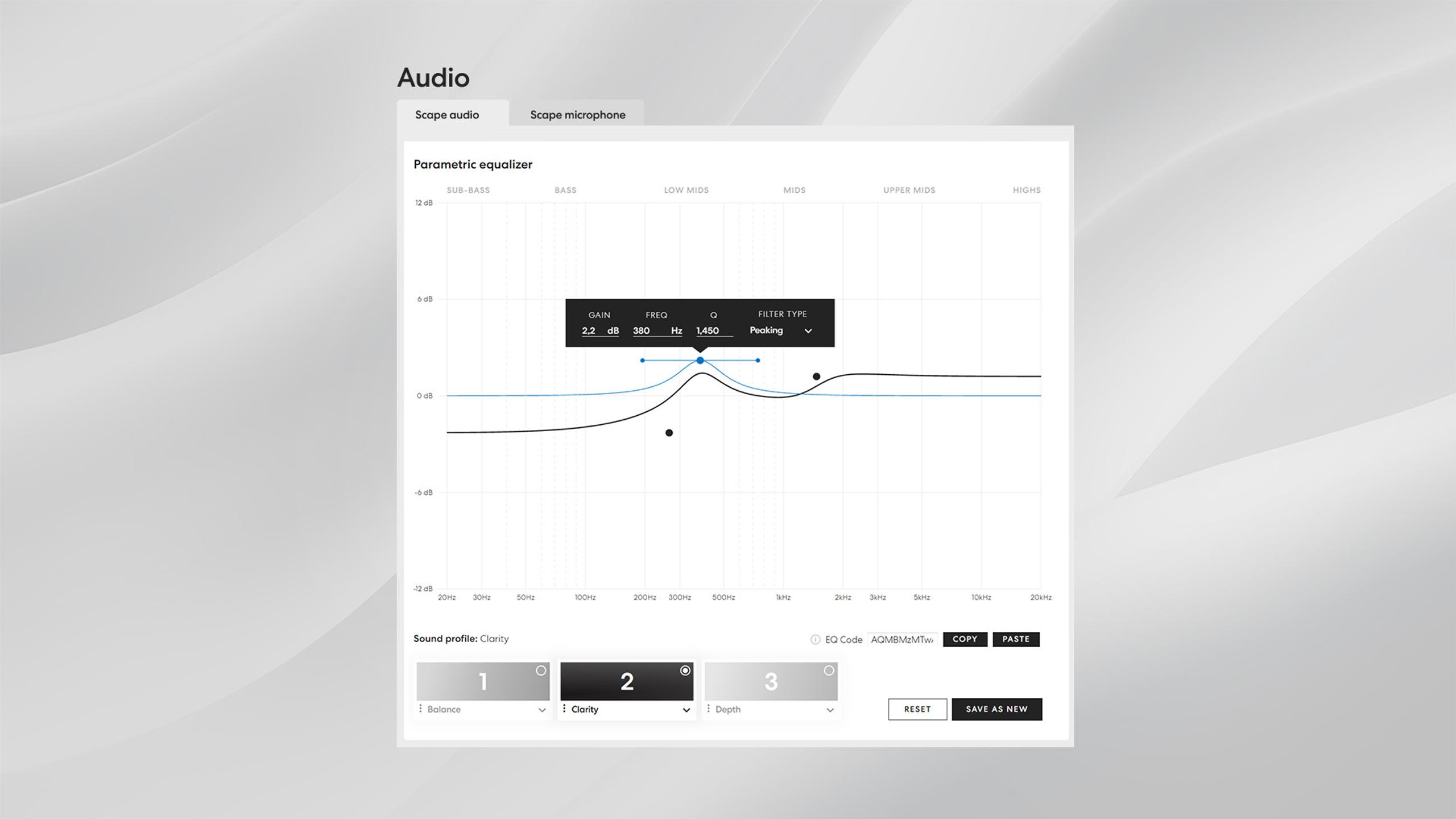
EQ, or equalization, is a way of adjusting different parts of the audio spectrum to change how sound is perceived. Lower frequencies affect bass and depth, while higher frequencies influence clarity and detail. In gaming, EQ settings can subtly change how a game feels. A profile with more emphasis on lower frequencies may create a fuller and more cinematic presentation, while increased clarity in the higher range can make positional sounds easier to distinguish. The goal is not necessarily accuracy, but preference and use case. Good sound settings are often the ones that feel natural during longer sessions.
Different games benefit from different sound profiles
Not every game asks for the same type of audio experience. In competitive games, gamers often prioritize directional clarity and separation between sounds. Subtle audio cues such as movement, reloads, or environmental details can become easier to identify when the sound profile is more focused and controlled. Story-driven or atmospheric games tend to benefit from a different approach. Fuller bass and a wider sound presentation can make environments feel larger and more immersive, allowing music and ambient effects to play a greater role in the experience. Neither approach is more correct than the other. They simply support different ways of gaming.

Comfort also affects how sound is perceived
Audio quality is not only shaped by tuning. Comfort matters as well, especially during longer sessions. Headsets that create excessive pressure or trap heat can become distracting over time, even if the sound itself performs well. Materials, weight distribution, and overall fit all contribute to how natural a headset feels during extended use. This also affects listening fatigue. A balanced sound profile paired with a comfortable fit often feels easier to listen to for longer periods than an aggressive or overly exaggerated presentation.
Fine-tuning sound over time
Preferences tend to change depending on the game, environment, or even mood. Because of this, flexible adjustment often matters more than finding a single permanent setting. Tools that allow users to fine-tune sound profiles, adjust EQ settings, or switch between presets make it easier to adapt audio to different situations without overcomplicating the experience. Wireless gaming headsets such as Scape, combined with browser-based tools like Adjust Pro, allow users to personalize audio in a more intuitive and lightweight way without relying on more complex software suites. The best adjustments are often subtle. Small changes in clarity, bass, or overall balance can significantly affect how comfortable and immersive a game feels over time.
Wireless audio and everyday usability
As gaming setups become more integrated into everyday spaces, expectations around audio products have shifted as well. A gaming headset is no longer used only during gaming sessions. It becomes part of a broader environment that includes work, entertainment, and everyday listening. Wireless connectivity, intuitive controls, and seamless charging all contribute to a smoother experience by reducing interruptions and friction during use. The ability to move naturally between devices and sessions often becomes just as important as raw audio performance.
Finding the right balance
In short, different games, genres, and users all place different demands on sound. Some prefer greater clarity and separation during competitive gaming, while others prioritize atmosphere and immersion during slower experiences. Because of this, audio settings are rarely about finding one correct profile. The most effective sound setup is often the one that feels balanced and comfortable over time. Small adjustments to EQ, comfort, and overall presentation can significantly change how a game is experienced, even when the differences seem subtle at first.